Author: Mahi

  • Best Camping Cooking Tools for Open Flame: Top Picks

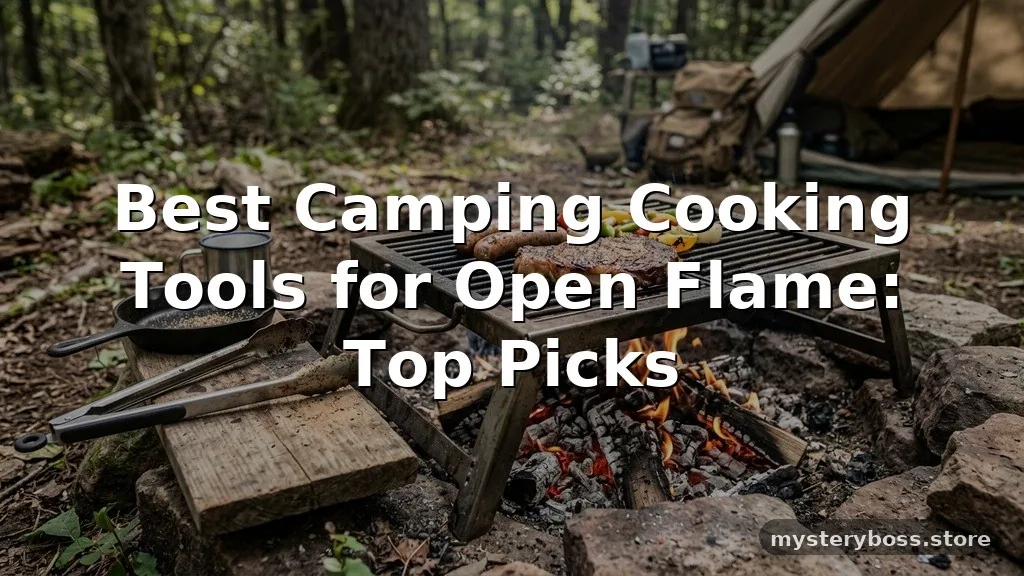
    Best Camping Cooking Tools for Open Flame: Top Picks

    Choosing the best camping cooking tools for open flame starts with matching the gear to your fire, cookware, and campsite routine. A grill grate may suit burgers and vegetables, while a Dutch oven or cast iron skillet handles stews, bread, and one-pot meals. The right setup should also be stable, easy to pack, simple to clean, and safe to use around shifting heat.

    Below, you’ll find practical options for campfire cooking, from portable cooking surfaces to heavy-duty utensils and fire stands. You’ll also see which tools make sense for solo trips, family camps, car camping, and minimalist backpacking, plus the trade-offs that matter before buying.

    How to Choose Camping Cooking Tools for Open Flame

    Open-fire cooking is less predictable than using a controlled camp stove. Logs burn unevenly, flames move with the wind, and cookware can become extremely hot. A useful kit therefore needs more than one pan: it needs a stable cooking surface, heat-resistant handling tools, and equipment that can tolerate direct heat.

    • Match the tool to the meal: A grill grate works well for direct grilling, while a Dutch oven is better for slow, covered cooking.
    • Prioritize stability: Legs, a tripod, or a broad grate can help prevent cookware from tipping into the fire.
    • Consider material: Cast iron stores heat effectively, while stainless steel is lighter and usually easier to maintain.
    • Check packability: Car campers can carry heavier gear, but backpackers need compact, multipurpose tools.
    • Plan for cleanup: Removable handles, nesting cookware, and washable storage bags make camp chores easier.

    Before lighting a fire, check local restrictions and use an established fire ring where permitted. The National Park Service campfire safety guidance is a useful reference for fire placement, supervision, and extinguishing procedures.

    Cooking Surfaces and Open-Fire Supports

    A dependable cooking surface keeps food above the hottest coals and gives pots or pans a more stable position. These options suit different fire pit layouts, from a simple weekend campfire to a permanent backyard pit grill.

    1. Folding Campfire Grill Grate

    Folding Campfire Grill Grate - Best Camping Cooking Tools for Open Flame

    A folding grill grate is one of the most versatile pieces of open-fire cooking equipment. It sits over a fire ring or bed of coals and provides a direct surface for a pan, kettle, meat, corn, or vegetables. Look for a broad cooking area, folding legs, and a design that can be cleaned without awkward corners.

    💡 Tip

    Set the grate over glowing coals rather than tall flames whenever possible. You’ll get steadier heat and less soot on the underside of your cookware.

    2. Adjustable Tripod Cooking Stand

    An adjustable tripod gives you height control without requiring a perfectly level fire pit. Many designs suspend a pot, kettle, or Dutch oven from a chain, allowing you to raise the cookware as the fire gets hotter. This makes the stand especially useful for soups, beans, and slow campfire cooking.

    🛠️ Practical Tip

    Keep the tripod feet outside the hottest section of the fire ring and check that the chain hangs centrally before adding food.

    3. Fire Pit Cooking Ring

    A cooking ring rests around or across a fire pit and creates a dedicated support for pans and pots. It’s a good fit for campsites where you want cookware to sit securely without balancing it directly on logs. Because designs vary, check the ring’s diameter and the size of your usual cookware before ordering.

    🔥 Quick Tip

    Measure the inside and outside dimensions of your fire pit. A ring that is too narrow may crowd the cookware, while one that is too wide may not sit securely.

    4. Heavy-Duty Campfire Grill

    A heavy-duty grill is designed for campers who cook larger meals or use cast iron cookware. Its thicker frame can provide a more stable platform for a skillet, griddle, or Dutch oven, although it may take up more room in a vehicle. This is a practical choice for family camping and regular car-camping trips.

    ✨ Style Tip

    Choose a grill with enough clearance for your largest pan, but avoid bringing a surface so large that it becomes difficult to position over the coals.

    5. Rotisserie Campfire Spit

    A rotisserie spit adds a slow-turning option for larger cuts of meat, whole poultry, or vegetables. It requires more setup than a simple grate and works best where the fire pit has room for sturdy supports. A hand-operated model is simpler; powered versions may need batteries or another power source.

    💡 Tip

    Balance food near the center of the spit before placing it over the fire. Uneven weight makes turning harder and can strain the supports.

    Cookware for Direct Heat and Coals

    Cookware determines what meals you can make and how much fuel they require. Cast iron is excellent for heat retention, while stainless steel and lighter alloys are easier to carry. No single pan handles every camp meal, so consider whether you mainly grill, fry, boil, or simmer.

    6. Cast Iron Skillet

    A cast iron skillet is a reliable open-flame pan for eggs, bacon, vegetables, cornbread, and one-pan meals. It holds heat well and can move from a grill grate to a bed of coals. The main drawback is weight, along with the need to dry and maintain the cooking surface after washing.

    🛠️ Practical Tip

    Use a dedicated heat-resistant handle cover or thick glove, and never assume the handle has cooled just because the pan is off the fire.

    7. Camp Dutch Oven

    A camp Dutch oven is built for covered cooking over coals, making it useful for stews, casseroles, baked dishes, and slow-cooked meals. Many models include a lid with a raised rim for holding coals and a bail handle for suspension. It is highly versatile, but its weight and cleaning demands make it better suited to car camping than backpacking.

    🔥 Quick Tip

    Use a lid lifter instead of a knife or improvised stick. It lets you check food while keeping your hands farther from hot coals.

    8. Stainless Steel Camping Pot

    A stainless steel pot is a practical choice for boiling water, cooking pasta, heating soup, and preparing larger portions. It is generally easier to wash than seasoned cast iron and often works well in a nested camping cookware set. Stainless steel can develop hot spots, so stirring matters when cooking directly over flame.

    💡 Tip

    Choose a pot with a secure lid and folding or removable handles if storage space is limited. Those details often matter more than decorative accessories.

    9. Campfire Grill Basket

    A grill basket keeps small or delicate foods contained while they cook over a grate. It works well for sliced vegetables, shrimp, fish, and foods that might otherwise fall between grill bars. A locking handle or removable handle can make turning and storage easier.

    🛠️ Practical Tip

    Lightly oil the basket before adding food, then leave space between pieces so heat can circulate instead of steaming the ingredients.

    10. Folding Campfire Kettle

    A folding kettle is useful for coffee, tea, dehydrated meals, and boiling water for several people. Its lid and pouring spout reduce mess around the fire, while collapsible or folding parts can improve packability. Verify that the handle stays positioned away from direct flame and that the kettle is intended for stovetop or open-fire use.

    ☕ Quick Tip

    Fill the kettle before placing it over the fire, but leave room for boiling. A partially filled kettle is also easier to lift safely than one filled to the rim.

    Utensils, Handling Tools, and Camp Prep Gear

    Small tools have a large effect on safety and convenience. Long handles help keep hands away from heat, while multipurpose utensils reduce the number of items in your camp kitchen bag.

    11. Long-Handle Camp Tongs

    Long-Handle Camp Tongs - Best Camping Cooking Tools for Open Flame

    Long-handled tongs are essential for turning meat, moving vegetables, and repositioning food on a grill grate. Stainless steel versions are easy to clean, while locking designs take up less space in a storage bag. Choose a grip that remains comfortable when wearing gloves.

    🛠️ Practical Tip

    Keep one pair of tongs for raw food and another for cooked food if you’re preparing meat. It reduces cross-contamination during a busy meal.

    12. Heat-Resistant Campfire Gloves

    Heat-resistant gloves protect hands while moving grates, lifting cookware, or adjusting logs. They should provide enough dexterity to grip handles without becoming loose around the fingers. Gloves are not a substitute for careful handling, and their heat rating should be checked against the manufacturer’s instructions.

    🔥 Safety Tip

    Use gloves only when they are dry and in good condition. Moisture, worn seams, or exposed fabric can reduce protection around hot metal.

    13. Campfire Lid Lifter

    A lid lifter provides a safer way to open a Dutch oven or covered pot sitting over coals. Its long shaft keeps your hand away from steam and hot metal. This is a small tool, but it becomes particularly useful when baking or simmering food under a heavy lid.

    💡 Tip

    Lift the lid slightly away from your face first so steam can escape on the opposite side. Keep the lid level to avoid spilling hot food.

    14. Multipurpose Camp Utensil Set

    A compact utensil set may include a spoon, spatula, fork, serving tool, and sometimes a bottle opener or knife. It suits campers who want one organized kit instead of loose kitchen items. Check the handle length and material before buying; tiny backpacking utensils can feel awkward over a large fire.

    ✨ Style Tip

    For group camping, favor full-size serving utensils. For solo trips, a compact spork or folding tool may save space without limiting simple meals.

    15. Camp Cutting Board and Prep Knife

    A small cutting board paired with a dependable camp knife makes food preparation cleaner and more controlled. The board should pack flat and resist sliding, while the knife needs a secure grip and a protective sheath. This combination is useful for slicing vegetables, trimming meat, and portioning bread before food reaches the fire.

    🛠️ Practical Tip

    Pack the knife in a sheath or closed container, and keep the cutting board separate from ready-to-eat food if it has been used for raw meat.

    Quick Comparison of Open-Flame Cooking Tools

    Tool Best For Main Strength Portability Main Drawback
    Folding grill grate Direct grilling and pan cooking Simple, versatile cooking surface Moderate Needs a suitable fire pit or support
    Tripod cooking stand Suspended pots and slow cooking Adjustable height Moderate Requires room around the fire
    Cast iron skillet Frying and one-pan meals Strong heat retention Low to moderate Heavy and requires maintenance
    Camp Dutch oven Stews, baking, and covered meals Highly versatile Low Heavy and slower to clean
    Stainless steel pot Boiling and larger portions Easy-care construction Moderate to high May develop hot spots
    Grill basket Vegetables, fish, and small foods Keeps food contained High Limited to grill-style cooking
    Long-handled tongs Turning and serving food Improves reach and control High Not a cooking surface by itself

    Best Setups by Camping Style

    Solo Backpacking

    Keep the kit compact: a small stainless steel pot, lightweight utensil, compact tongs, and a stable cooking surface if fires are permitted. Heavy cast iron and large tripod systems usually make more sense for vehicle-supported trips.

    Family Car Camping

    A folding grill grate, Dutch oven, skillet, kettle, gloves, and long-handled utensils provide more meal flexibility. Extra serving tools and a separate prep board are useful when several people are eating at once.

    Weekend Campfire Cooking

    A skillet, grill basket, tongs, and a basic grate cover most quick meals. Add a kettle if hot drinks or boiled water are part of the routine.

    Frequent Outdoor Cooks

    Frequent users may prefer a dedicated fire pit cooking ring, adjustable tripod, or heavier grill that stays stable through repeated setup. Durable construction matters more than saving a few ounces.

    Advantages and Limitations of Open-Flame Cooking Gear

    Pros

    • Supports grilling, boiling, frying, roasting, and slow cooking with the same fire.
    • Many tools work without fuel canisters or a separate stove.
    • Cast iron and heavy-duty grills can provide excellent heat retention and stability.
    • Simple gear such as tongs, a grate, and a skillet can prepare a wide range of meals.

    Cons

    • Heat is less predictable than it is with a controlled burner.
    • Large cookware can be heavy and inconvenient to carry.
    • Soot, grease, and ash make cleanup more demanding.
    • Fire restrictions may limit where open-flame cooking is allowed.
    • Improperly supported cookware can tip, spill, or cause burns.

    How to Cook Safely Over an Open Fire

    1. Build or use the fire only in an approved location and keep water or an appropriate extinguishing method nearby.
    2. Allow the fire to develop a stable bed of coals before placing cookware over it.
    3. Check that the grate, tripod, or cooking ring is level and firmly positioned.
    4. Use long-handled tools and heat-resistant gloves when moving food or cookware.
    5. Keep raw ingredients, cooked food, and preparation tools separated.
    6. Extinguish the fire completely and confirm that ashes are cool before leaving the campsite.

    Frequently Asked Questions

    What is the best camping cookware for cooking on an open fire?

    For broad meal flexibility, a cast iron skillet or camp Dutch oven is a strong option. A stainless steel pot is easier to carry and clean, especially for boiling water and making simple meals.

    What are the best cooking utensils for open fires?

    Long-handled tongs, a heat-resistant spatula, a large spoon, a lid lifter, and protective gloves cover most tasks. A separate knife and cutting board help with food preparation.

    How do you cook on an open fire while camping?

    Let the fire burn down to steady coals, position a stable grate or stand above them, and adjust the cookware’s height to control heat. Stir food regularly and keep a safe distance from the flames.

    Is there a camp grill that can cook over an open fire?

    Yes. Folding campfire grill grates, fire pit cooking rings, and heavy-duty camp grills are designed to support cookware or food above a fire. Confirm that the size matches your fire ring.

    Is cast iron better than stainless steel for campfire cooking?

    Cast iron retains heat well and suits frying, searing, and Dutch oven cooking, but it is heavy and needs drying and care. Stainless steel is lighter and easier to clean, though it may heat less evenly.

    Final Verdict

    The best camping cooking tools for open flame depend on your meals, fire setup, and transport limits. A folding grate and long-handled tongs form a useful foundation, while a cast iron skillet or Dutch oven adds more cooking options for car campers. Backpackers should keep the kit lighter and simpler, with a compact pot and multipurpose utensil.

    Before purchasing, check compatibility with your fire pit, packed size, material, handle design, and cleanup needs. Start with the tools you’ll use every trip, then add a tripod, kettle, grill basket, or specialized stand when your cooking style calls for it.
  • Best Camping Rugs for Tent Floors: 12 Practical Picks

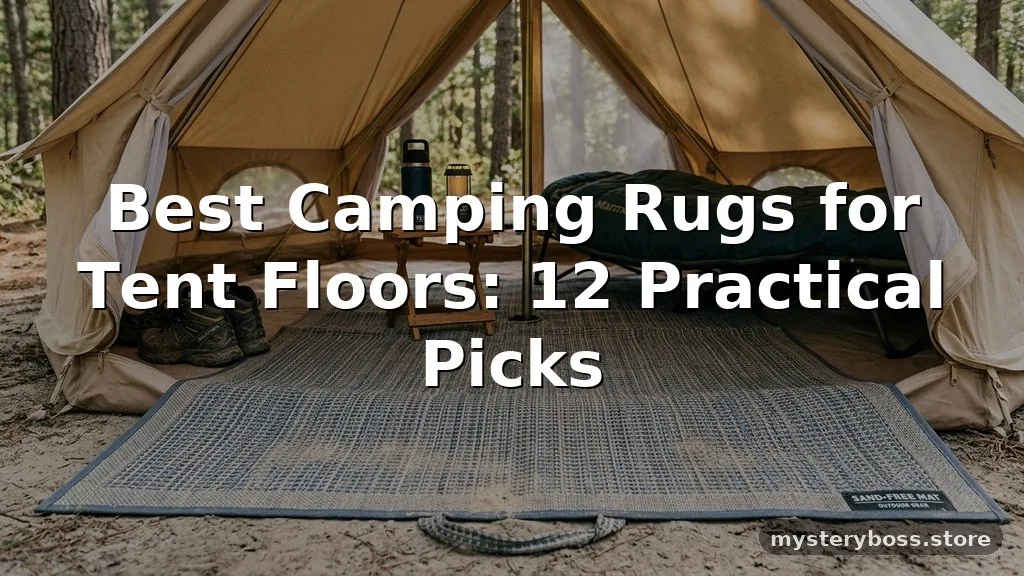
    Best Camping Rugs for Tent Floors: 12 Practical Picks

    A cold, damp, gritty tent floor can make an otherwise comfortable camp feel rough fast. The best camping rugs for tent floors add insulation, reduce dirt, soften hard ground, and create a more welcoming space inside a tent, bell tent, yurt, or camper setup. The right choice depends on more than appearance: packed size, drying time, grip, drainage, cleaning, and how much floor area you need all matter.

    This roundup compares practical camping rug styles and products, from lightweight backpacking mats to larger outdoor rugs for family camping and glamping. You’ll also find buying advice, setup tips, limitations, and guidance for choosing a floor covering that suits your camping style.

    What Makes a Good Tent Floor Rug?

    A camping rug should make the tent floor more comfortable without creating a bulky, damp layer underneath. Outdoor rugs made from woven plastic or synthetic fibers are usually easier to clean and dry than indoor-style fabric carpets. Foam mats and blankets can feel warmer, but they may absorb moisture or take up more room when packed.

    Before buying, think about the tent’s interior dimensions and whether the rug will sit inside the sleeping area, beneath a table, or in a vestibule. A floor mat that fits neatly is safer and easier to fold than one with excess material bunching around the edges.

    • Size: Match the rug to the usable tent floor rather than the advertised tent capacity.
    • Weight: Large woven rugs suit car camping better than long-distance backpacking.
    • Drying: Quick-drying materials are useful after rain, dew, or beach camping.
    • Grip: A textured underside can reduce sliding on tent floors and smooth campsite surfaces.
    • Cleaning: Shakeable, wipe-clean surfaces are practical when sand and mud are common.
    • Storage: Look for folding or rolling designs that fit your existing camping kit.

    🛠️ Practical Tip

    Measure the flat floor area after the tent is pitched, including corners that are actually usable. Sloping walls and furniture can make the interior footprint smaller than the stated tent dimensions.

    The options below cover different camping situations rather than pretending one rug suits every trip. Product availability, dimensions, and materials can vary by seller, so check the current specification before checkout.

    Option Best For Useful Feature Main Limitation
    1. Sand-free outdoor mat Beach and sandy campsites Sand falls through the weave Not designed as a thick cushion
    2. Woven polypropylene rug Car camping Easy to wipe clean Can be bulky when folded
    3. Foam folding mat Cold or hard tent floors Added underfoot insulation Less compact than thin mats
    4. Lightweight picnic blanket Minimalist weekend camping Simple and versatile May move without a grip layer
    5. Bell tent carpet Glamping setups Creates a finished interior Usually heavy and large
    6. Rubber-backed floor mat Entrance areas Helps contain dirt and moisture May trap moisture underneath
    7. Indoor-outdoor carpet tile Modular tent layouts Easy to replace or rearrange More pieces to pack
    8. Reflective insulated mat Cool-weather camping Reflective insulation layer Can be noisy underfoot
    9. Coody-style tent carpet Dedicated tent interiors Designed around a tent footprint May fit only selected tent shapes
    10. Drymate-style tent carpet Moisture-prone campsites Absorbent surface layer Needs thorough drying after use
    11. Recycled plastic camping rug Frequent family camping Durable, washable construction Often heavier than textile mats
    12. Thin wool or fleece blanket Comfort-focused camp interiors Soft, warm feel Not ideal for wet ground

    1. Sand-Free Outdoor Mat

    Sand-Free Outdoor Mat - Best Camping Rugs for Tent Floors

    A sand-free mat uses an open or layered weave that lets loose sand fall below the surface instead of staying on top. That makes it useful for beach camps, dry desert sites, and tent entrances where ordinary fabric rugs quickly become gritty. It works more as clean flooring than as cushioning.

    Pros

    • Sand is easier to brush away or let pass through.
    • Usually dries quickly after light moisture.
    • Suitable for outdoor seating as well as tent use.

    Cons

    • Provides limited warmth on cold ground.
    • Open construction may allow small stones to remain underneath.

    💡 Tip

    Shake a sand-free mat away from the tent before packing it. This prevents grit from migrating into sleeping bags, zippers, and storage pockets.

    2. Woven Polypropylene Rug

    Woven polypropylene is a common choice for outdoor camping rugs because it resists routine dirt and can generally be wiped or shaken clean. These rugs often have colorful patterns and a flatter profile, making them attractive for family camps, patios, and larger tent interiors. Their packed size is the main consideration.

    Pros

    • Easy to clean after muddy or dusty trips.
    • Available in a wide range of designs and sizes.
    • Works well for car campers who have room for bulky gear.

    Cons

    • May not provide much insulation.
    • Large sizes can be awkward to fold and transport.

    ✨ Style Tip

    Choose a patterned woven rug if you expect frequent dust or leaf litter. Small marks tend to be less noticeable than they are on a plain, pale surface.

    3. Foam Folding Mat

    A folding foam mat is a practical answer when comfort and ground insulation matter more than a decorative look. It can soften compacted campsite soil and create a warmer layer beneath bare feet. Closed-cell foam is especially useful because it doesn’t absorb water in the same way as fabric.

    Pros

    • Adds cushioning on hard or uneven ground.
    • Useful under sleeping pads, chairs, or a small table.
    • Folding panels are straightforward to store.

    Cons

    • Can occupy significant space in a backpack or vehicle.
    • Foam may crease, dent, or wear at fold points over time.

    🛠️ Practical Tip

    Place a thin rug over the foam if you want a more finished surface. The rug protects the foam from sharp grit while making the floor feel less utilitarian.

    4. Lightweight Picnic Blanket

    A lightweight picnic blanket can double as a tent floor covering when the goal is to carry fewer dedicated items. Many include a water-resistant underside, though that doesn’t necessarily make the whole blanket waterproof. This option suits short trips, festival camping, and simple camp interiors.

    Pros

    • Serves multiple purposes at camp.
    • Usually lighter than a large outdoor rug.
    • Simple to fold and pack with general travel equipment.

    Cons

    • Fabric may collect sand, grass, and damp debris.
    • It can slide on smooth tent flooring without corner anchors.

    💡 Tip

    Fold the blanket with the clean side facing inward. That keeps the sitting surface protected when the underside has picked up moisture or soil.

    5. Bell Tent Carpet

    A bell tent carpet is made for a large, open interior where appearance and comfort carry more weight than minimum pack size. It can define a central living area and make a glamping setup feel more like an indoor room. Bell tent rugs are generally better suited to vehicle-based camping than hiking.

    Pros

    • Creates a warmer, softer feel inside a spacious tent.
    • Can cover a substantial living area.
    • Works well with camp furniture and decorative accessories.

    Cons

    • Large carpets can be heavy and difficult to dry.
    • May not fit other tent shapes or smaller shelters.

    ✨ Style Tip

    Leave a narrow border of exposed tent floor around the carpet where possible. It helps define the rug’s edge and makes checking for trapped moisture easier.

    6. Rubber-Backed Floor Mat

    A rubber-backed mat is useful near a tent door, where boots and wet gear bring in the most mess. The textured backing can help limit movement, while the upper surface catches dirt before it spreads across the sleeping area. It is best used as a small entry mat rather than a full-tent carpet.

    Pros

    • Helps create a defined clean zone near the entrance.
    • Often stays in place better than a loose blanket.
    • Useful in awnings, vestibules, and vehicle interiors.

    Cons

    • Backing may trap water against the tent floor.
    • Some versions are too heavy for backpacking.

    🛠️ Practical Tip

    Lift rubber-backed mats each morning if condensation is present. Airflow beneath the mat is important because a waterproof layer can hold dampness against the tent floor.

    7. Indoor-Outdoor Carpet Tiles

    Indoor-Outdoor Carpet Tiles - Best Camping Rugs for Tent Floors

    Carpet tiles offer a modular approach to tent flooring. Instead of carrying one large rug, you can arrange smaller pieces around beds, chairs, or a central table. They make sense for semi-permanent camp setups, but the separate pieces add handling and packing work.

    Pros

    • Lets you cover only the areas that need comfort.
    • Individual tiles are easier to replace or clean.
    • Layout can be changed for different tent arrangements.

    Cons

    • Edges may shift or separate under foot traffic.
    • Multiple pieces take longer to pack and organize.

    💡 Tip

    Arrange the tiles after the tent is fully furnished. Furniture legs can hold the edges in place and reveal where extra coverage is genuinely needed.

    8. Reflective Insulated Mat

    A reflective insulated mat combines a thin insulating layer with a reflective surface. It can be useful beneath another rug in cool conditions, particularly when the campsite floor feels cold. It is more of a functional underlay than a decorative camping rug.

    Pros

    • Adds a layer between feet and cold ground.
    • Can be combined with foam or fabric floor coverings.
    • Usually has a low profile.

    Cons

    • Some reflective materials make a crinkling sound.
    • May look less attractive as a standalone floor covering.

    🛠️ Practical Tip

    Use the reflective side according to the manufacturer’s instructions and cover it with a less slippery top layer if people will walk across it frequently.

    9. Coody-Style Tent Carpet

    A dedicated tent carpet, such as a Coody-style floor insert, is designed around the footprint of a particular shelter rather than being a general-purpose outdoor rug. This can give the interior a tidy, fitted appearance. Compatibility is the critical issue, so check the exact tent model and dimensions before purchasing.

    Pros

    • May fit a matching tent more neatly than a rectangular rug.
    • Creates a defined interior floor for comfort-focused camping.
    • Can reduce exposed ground in the living space.

    Cons

    • Limited versatility if you change tents.
    • Availability and specifications may vary by model and seller.

    💡 Tip

    Compare the carpet’s shape with the tent’s actual floor plan, including pole locations and door openings. A technically correct length can still leave an awkward gap if the shape differs.

    10. Drymate-Style Tent Carpet

    A Drymate-style tent carpet uses a fabric surface intended to manage small spills, dirt, or moisture around a camp living area. It may be useful for family camping and indoor-style tent layouts, but absorbent products need careful drying before storage. Read the care instructions rather than assuming a rug is fully waterproof.

    Pros

    • Can feel softer and more textile-like than plastic matting.
    • Useful beneath tables, chairs, and general camp furniture.
    • May help contain minor dampness and tracked-in dirt.

    Cons

    • Wet fabric can become heavy during transport.
    • Storing it damp may lead to odors or material damage.

    🛠️ Practical Tip

    Pack a separate drying cord or use a campsite clothesline to air a damp carpet before the journey home. Never seal a wet floor covering in a closed storage bag.

    11. Recycled Plastic Camping Rug

    Recycled plastic camping rugs are often woven into flat, colorful patterns for outdoor use. They suit car campers who want a washable surface that can move between the tent, picnic area, and campsite kitchen. The environmental description alone doesn’t tell you how a rug performs, so inspect the construction, edge finishing, and care instructions.

    Pros

    • Typically handles everyday outdoor dirt well.
    • Often available in reversible designs.
    • Can serve as both tent flooring and an outdoor seating rug.

    Cons

    • May feel less warm than fabric or foam.
    • Some large versions are cumbersome to carry.

    ✨ Style Tip

    A reversible design gives one rug two visual uses: place the busier side upward for active camps and the plainer side upward for a calmer glamping interior.

    12. Thin Wool or Fleece Blanket

    A wool or fleece blanket creates a warm, soft feel inside a tent and can be used on beds, chairs, or laps as well as on the floor. It is a comfort-first choice rather than a wet-weather solution. Keep it away from muddy entrances and use a groundsheet or waterproof layer below it.

    Pros

    • Feels comfortable under bare feet.
    • Can serve several purposes around camp.
    • Easy to add or remove as temperatures change.

    Cons

    • Fabric can absorb moisture and dirt.
    • It may slide on smooth tent flooring.

    💡 Tip

    Use fleece or wool in the central living area, not directly beside the entrance. A separate wipe-clean floor mat will handle boots and wet gear more effectively.

    How to Choose the Right Camping Rug

    Start with the way you travel. Backpackers need a compact, lightweight layer, while car campers can prioritize coverage and softness. Families may value washable materials and clear zones for shoes, whereas glamping setups often favor a larger carpet that improves the look and feel of the entire tent.

    Weather and campsite conditions should guide the material. A breathable woven mat suits dry or sandy locations, while a removable insulating layer helps on cold ground. If rain is likely, prioritize quick drying and avoid leaving absorbent rugs pressed against the tent floor.

    🛠️ Practical Tip

    Before buying, sketch the tent floor and mark the bed, door, vestibule, and furniture areas. This quickly shows whether you need a full carpet, a runner, or two small mats.

    Setting Up a Tent Floor Rug

    1. Pitch the tent and remove loose stones, sticks, and sharp debris from the floor.
    2. Allow the groundsheet to settle flat before placing the rug.
    3. Position the rug away from zippers and door tracks so it doesn’t interfere with opening the tent.
    4. Keep absorbent materials clear of walls where condensation may collect.
    5. Lift and air the rug regularly during a multi-day trip.
    6. Shake, clean, and fully dry the rug before storing it at home.

    For low-impact camping, keep the rug within the existing tent footprint and avoid unnecessary ground disturbance. The Leave No Trace principles offer useful guidance for minimizing campsite impact.

    💡 Tip

    A rug should never cover the tent’s ventilation points or block a door. Comfortable flooring matters, but airflow and safe exits matter more.

    Which Camping Rug Is Best for Different Campers?

    Backpackers should usually choose a thin foam mat, lightweight blanket, or compact sitting mat. Families and car campers can take advantage of larger polypropylene rugs, recycled plastic designs, or modular carpet tiles. Glamping and bell tent users may prefer a dedicated tent carpet or wool-style rug that covers the central living space.

    For a sandy beach camp, a sand-free mat is more practical than a plush carpet. For a cold campsite, combine insulation with a top rug. For a wet location, focus on drying and ventilation rather than choosing the thickest available floor covering.

    ✨ Style Tip

    Use one practical mat at the entrance and a softer rug in the main living area. Separating those jobs usually keeps the interior cleaner than asking one rug to handle every surface.

    Frequently Asked Questions

    What is a good tent floor rug?

    A good tent rug is appropriately sized, easy to clean, comfortable underfoot, and suitable for the campsite conditions. Woven outdoor mats are versatile, while foam or textile layers provide more warmth.

    What should I put on the floor of my tent?

    Use a groundsheet or the tent’s built-in floor first, then add a rug, mat, or blanket that fits without covering ventilation or obstructing doors. Choose quick-drying materials in damp weather.

    Are camping rugs waterproof?

    Some plastic or coated mats resist water, but waterproofing depends on the construction. A rug may have a water-resistant underside while the top remains absorbent, so check the product care and material details.

    What are the best floor mats for tents at the beach?

    Sand-free woven mats are usually the most practical because loose sand can fall through the surface. A regular fleece or thick carpet tends to hold more grit.

    Can I use an indoor rug inside a tent?

    You can, provided it fits safely and stays dry. Indoor rugs may be comfortable, but they often absorb moisture and take longer to dry than outdoor camping rugs.

    Final Verdict

    The best camping rugs for tent floors depend on the balance you want between comfort, weight, coverage, and easy care. Sand-free mats suit beaches, woven polypropylene works well for car camping, foam adds insulation, and dedicated bell tent carpets make spacious glamping interiors feel more finished. Backpackers should keep the floor covering light, while families can prioritize washable materials and generous coverage.

    Before purchasing, measure the usable tent floor, consider the likely weather, and check how the rug packs and dries. A small entrance mat paired with a larger living-area rug is often more practical than one oversized carpet. Choose the option that fits your actual camping routine, not just the most attractive design.